AlSiC
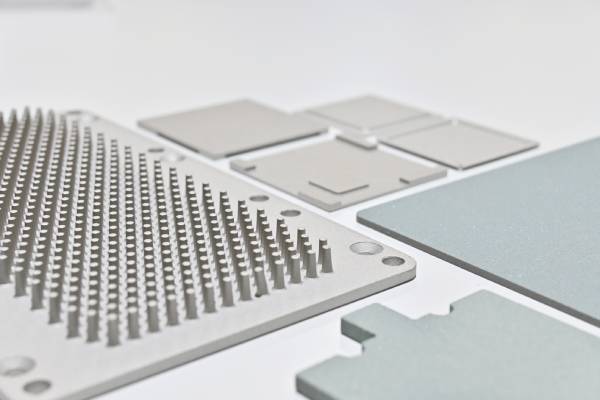
AlSiC
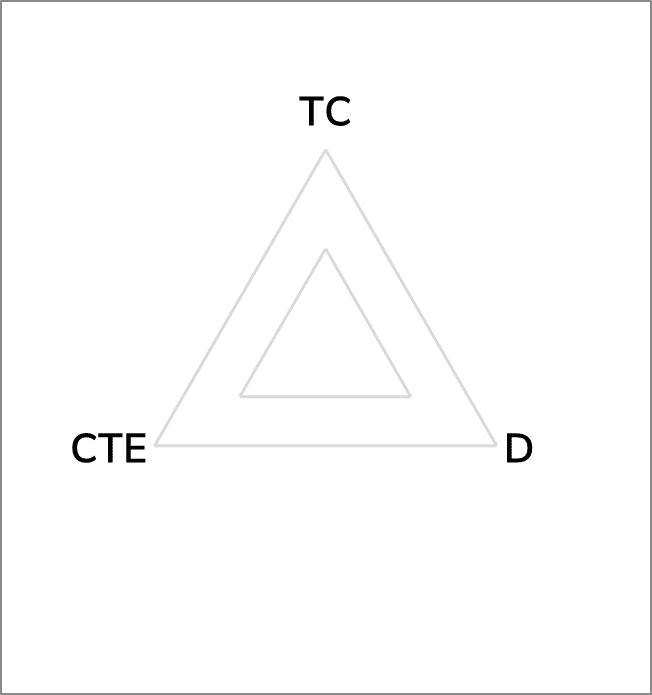
AlSiC
| Properties | Thermal Conductivity | Density | Coefficient of Thermal Expansion | ||
|---|---|---|---|---|---|
| Unit | W/m•K | cal/cm·sec·°C | g/cm3 | ppm/°C | |
 CMC AlSiC Heat Spreader | 180~220 | 0.4302–0.5258 | 2.95 | 7~9 | Quote & Sample |
 CMC Cu-AlSiC Heat Spreader | 220~250 | 0.5258–0.5975 | 2.95 | 7~9 | Quote & Sample |
AlSiC Heat Spreaders for High-Power Electronics
Aluminum Silicon Carbide (AlSiC) heat spreaders combine high thermal conductivity with a controlled coefficient of thermal expansion (CTE), making them suitable for high-power semiconductor modules and other electronic systems that experience significant thermal cycling.
By combining efficient heat spreading with low thermal expansion, AlSiC can help reduce thermomechanical stress between semiconductor devices, solder joints, substrates, and supporting structures. Its relatively low density also provides a lightweight alternative to conventional copper-based heat spreaders in applications where both thermal performance and structural stability are important.
T-Global AlSiC heat spreaders are designed for demanding electronic applications requiring thermal conductivity, dimensional stability, vibration resistance, and long-term reliability.
T-Global AlSiC Heat Spreaders
T-Global USA offers CMC AlSiC and Cu-AlSiC heat spreader solutions for different thermal performance requirements.
- CMC AlSiC Heat Spreader:
Provides thermal conductivity of 180–220 W/m·K with a coefficient of thermal expansion of 7–9 ppm/°C. - CMC Cu-AlSiC Heat Spreader:
Provides higher thermal conductivity of 220–250 W/m·K while maintaining a coefficient of thermal expansion of 7–9 ppm/°C. - Low Density:
A density of approximately 2.95 g/cm³ helps reduce weight compared with conventional copper heat spreaders. - Mechanical Strength:
The material provides strength of approximately 300 MPa for structural support in demanding electronic assemblies. - Custom Dimensions:
Product dimensions can be customized to meet specific package, module, and system requirements. - Surface Plating:
T-Global AlSiC products can be supplied with nickel-plated surfaces according to application requirements.
Material selection should consider heat load, package dimensions, required thermal conductivity, coefficient of thermal expansion, mounting method, surface finish, and overall system architecture.
How AlSiC Improves Thermal Reliability
High-power semiconductor devices generate significant heat while repeatedly expanding and contracting during operation. When materials within the package have significantly different coefficients of thermal expansion, repeated temperature changes can create mechanical stress at solder joints, interfaces, and substrates.
AlSiC combines relatively high thermal conductivity with a controlled CTE. This allows the heat spreader to distribute heat while reducing dimensional mismatch between adjacent materials.
The combination of thermal performance and dimensional stability makes AlSiC particularly useful in electronic assemblies exposed to repeated thermal cycling, mechanical vibration, and high operating power.
Applications for AlSiC Heat Spreaders
AlSiC heat spreaders and baseplates are suitable for high-power electronic systems where thermal conductivity, CTE control, weight, and mechanical reliability must be considered together.
IGBT and Power Semiconductor Modules
IGBT modules and other high-power semiconductor packages generate concentrated heat and experience repeated thermal cycling. AlSiC heat spreaders can help transfer heat away from the semiconductor package while reducing thermomechanical stress caused by differences in material expansion.
SiC and GaN Power Electronics
Wide-bandgap semiconductor devices such as SiC and GaN can operate at high power densities and elevated temperatures. AlSiC can provide a thermally conductive and dimensionally stable baseplate or heat-spreading structure for these demanding power electronic systems.
EV Inverters and Converters
Electric vehicle inverters, converters, and power control systems require efficient thermal management together with resistance to vibration and repeated temperature changes. AlSiC can provide a lightweight heat-spreading solution for these high-power electronic assemblies.
AI, HPC, and Advanced Packaging
High-performance computing and advanced semiconductor packaging can produce high localized heat flux while requiring precise mechanical control. AlSiC heat spreaders can support thermal distribution while limiting dimensional changes during operation.
Telecom, 5G, and RF Systems
High-power RF amplifiers, telecom equipment, and 5G systems require stable thermal paths for power devices operating under continuous or cyclic loads. AlSiC can help provide heat spreading while maintaining dimensional stability.
Aerospace, Radar, and Defense Electronics
Weight-sensitive electronic platforms can benefit from AlSiC because it combines thermal conductivity with lower density than copper. Its vibration resistance and thermal cycling performance also make it relevant to demanding aerospace and radar electronic systems.
AlSiC vs. Copper Heat Spreaders
Copper provides high thermal conductivity, but it is relatively dense and has a higher coefficient of thermal expansion than AlSiC.
AlSiC offers a different balance of properties: high thermal conductivity, lower density, and controlled thermal expansion. These characteristics can reduce package weight and help limit thermomechanical stress during repeated heating and cooling cycles.
The best material depends on heat flux, package architecture, mechanical loading, thermal cycling requirements, weight limitations, and manufacturing considerations.
AlSiC vs. Cu-AlSiC
Both AlSiC and Cu-AlSiC are designed for high-performance thermal management, but they provide different levels of thermal conductivity.
Standard T-Global CMC AlSiC provides approximately 180–220 W/m·K, while CMC Cu-AlSiC provides approximately 220–250 W/m·K. Both solutions maintain a coefficient of thermal expansion of approximately 7–9 ppm/°C.
Cu-AlSiC may therefore be considered when higher thermal conductivity is required while maintaining controlled thermal expansion.
Customization and Surface Plating
AlSiC heat spreaders can be customized according to package dimensions, thickness, mounting requirements, and surface specifications.
T-Global offers standard and customized dimensions for semiconductor and power electronics applications. Surface nickel plating can also be applied according to product and assembly requirements.
Customization should be evaluated together with thermal conductivity, thickness, CTE, mechanical strength, soldering requirements, and downstream assembly processes.
Thermal Simulation and Material Selection
Selecting the appropriate AlSiC heat spreader depends on semiconductor heat load, heat flux, interface geometry, package dimensions, material thickness, coefficient of thermal expansion, and cooling architecture.
T-Global USA provides
thermal simulation services
to help engineers evaluate heat flow, temperature distribution, and thermal interface conditions before finalizing a heat spreader design.
Our engineering team can also help compare AlSiC with copper, Cu-AlSiC, ceramic substrates, graphite heat spreaders, and other thermal management solutions based on application requirements.
Why Use AlSiC Heat Spreaders?
AlSiC heat spreaders provide a combination of thermal conductivity, controlled thermal expansion, low density, and mechanical stability for demanding electronic systems.
For semiconductor packages exposed to high heat loads and repeated thermal cycling, controlling both temperature and material expansion can be critical to long-term reliability. AlSiC provides engineers with an alternative to conventional copper or molybdenum-copper solutions where weight, CTE control, and thermal performance must be balanced.
Request a quote or sample
to discuss your thermal conductivity, dimensions, thickness, surface plating, CTE, and application requirements with T-Global USA.
Frequently Asked Questions About AlSiC Heat Spreaders
What is AlSiC?
AlSiC, or aluminum silicon carbide, is a composite material used in thermal management applications that require high thermal conductivity, controlled thermal expansion, low density, and mechanical stability. It is commonly used as a heat spreader or baseplate for high-power electronic and semiconductor modules.
Why is AlSiC used for semiconductor thermal management?
AlSiC combines efficient heat spreading with a relatively low coefficient of thermal expansion. This helps manage heat while reducing thermomechanical stress between semiconductor devices, substrates, solder joints, and supporting structures during repeated heating and cooling cycles.
What is the thermal conductivity of T-Global AlSiC?
T-Global CMC AlSiC provides a thermal conductivity of approximately 180–220 W/m·K at 25°C. The actual thermal performance should be evaluated according to product configuration, thickness, and application requirements.
What is the thermal conductivity of Cu-AlSiC?
T-Global CMC Cu-AlSiC provides a thermal conductivity of approximately 220–250 W/m·K at 25°C, providing a higher-conductivity option for applications with demanding thermal requirements.
What is the coefficient of thermal expansion of T-Global AlSiC?
T-Global AlSiC and Cu-AlSiC have a coefficient of thermal expansion of approximately 7–9 ppm/°C. Controlled CTE can help reduce mechanical stress in semiconductor packages during thermal cycling.
How does AlSiC compare with copper?
Copper generally provides high thermal conductivity, but it is heavier and has a higher coefficient of thermal expansion. AlSiC provides a balance of thermal conductivity, lower density, and controlled CTE, making it useful when thermal cycling reliability, dimensional stability, and weight are important.
What is the difference between AlSiC and Cu-AlSiC?
The primary difference is thermal performance. T-Global CMC AlSiC provides approximately 180–220 W/m·K thermal conductivity, while CMC Cu-AlSiC provides approximately 220–250 W/m·K. Both have a CTE of approximately 7–9 ppm/°C.
Can AlSiC dimensions be customized?
Yes. T-Global AlSiC heat spreaders can be customized according to package dimensions, thickness, mounting requirements, and application specifications. Standard dimensions are also available for selected configurations.
Can AlSiC heat spreaders be nickel plated?
Yes. T-Global AlSiC heat spreaders can be supplied with nickel-plated surfaces according to product and assembly requirements. Surface specifications should be confirmed based on soldering, bonding, and downstream manufacturing requirements.
Is AlSiC suitable for thermal cycling and vibration?
AlSiC is designed for applications where dimensional stability and mechanical reliability are important. T-Global’s CMC AlSiC documentation reports stability under heating, resistance to warpage after thermal cycling and solderability testing, and vibration resistance.
Where are AlSiC heat spreaders commonly used?
AlSiC heat spreaders can be used in IGBT modules, SiC and GaN power electronics, EV inverters and converters, AI and HPC systems, advanced semiconductor packaging, telecom and 5G equipment, radar systems, and other high-power electronic applications.
How should I select an AlSiC heat spreader?
Selection should consider heat load, thermal conductivity, coefficient of thermal expansion, dimensions, thickness, mechanical strength, weight, surface plating, mounting method, and thermal cycling requirements. T-Global USA can assist with material selection and thermal evaluation for specific applications.