Thermal Putty
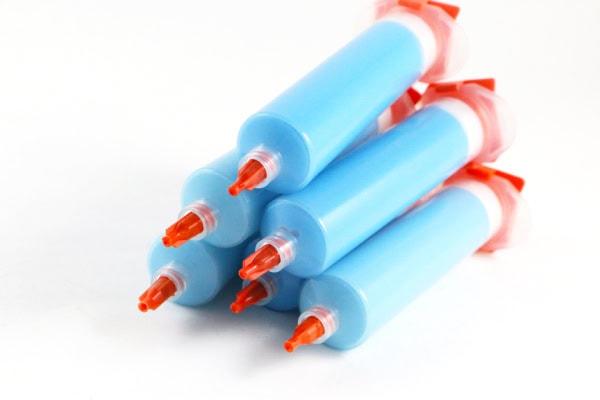
Thermal Putty
Silicone Type
| Properties | Thermal Conductivity | Thermal Impedance | Viscosity | Density | Volume Resistivity | ||
|---|---|---|---|---|---|---|---|
| Unit | W/m•K | cal/cm·sec·°C | RA(K-in.^2/W) | Pa.s | g/cm³ | Ohm-m | |
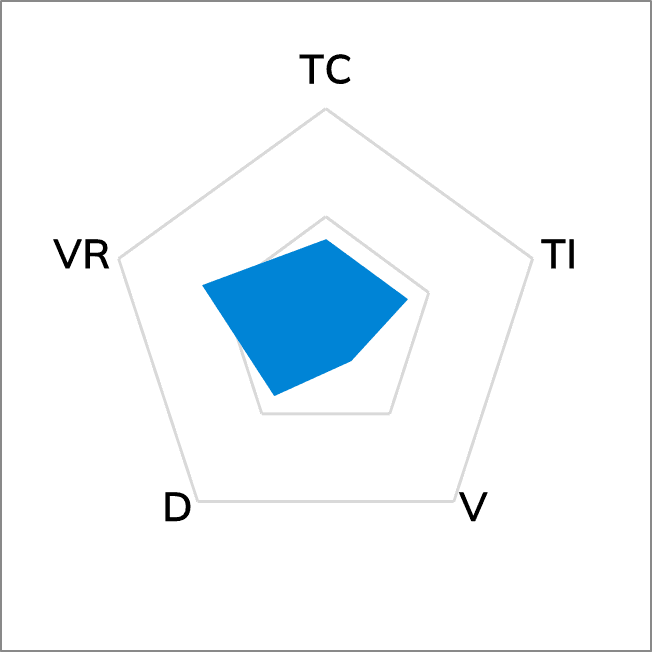 TG4040 Thermal Putty | 3.2 | 0.007648 | 0.580 | 250 | 2.9 | 1x10¹³ | Quote & Sample |
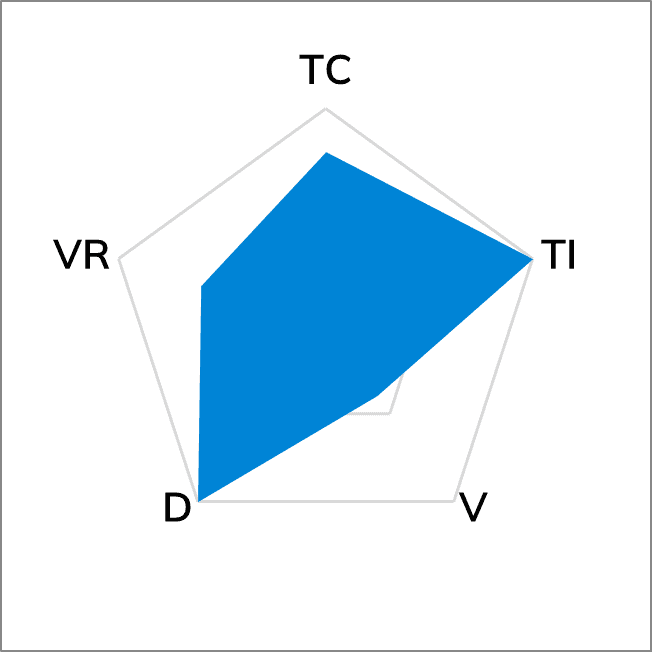 TG6060 Thermal Putty | 6.3 | 0.015057 | 0.332 | 270 | 3.3 | 1x10¹³ | Quote & Sample |
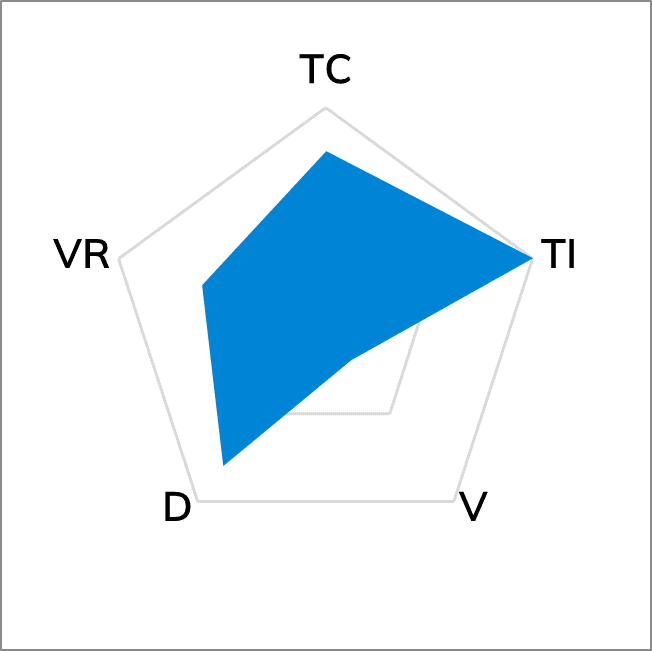 TG-A7000 Thermal Putty | 7 | 0.01673 | 0.287 | 250 | 3.25 | 1x10¹³ | Quote & Sample |
| Test Method | ASTM D5470 Modified | Brookfield | ASTM D792 | ASTM D257 | |||
Non-silicone Type
| Properties | Thermal Conductivity | Thermal Impedance | Viscosity | Density | Volume Resistivity | ||
|---|---|---|---|---|---|---|---|
| Unit | W/m•K | cal/cm·sec·°C | RA(K-in.^2/W) | Pa.s | g/cm³ | Ohm-m | |
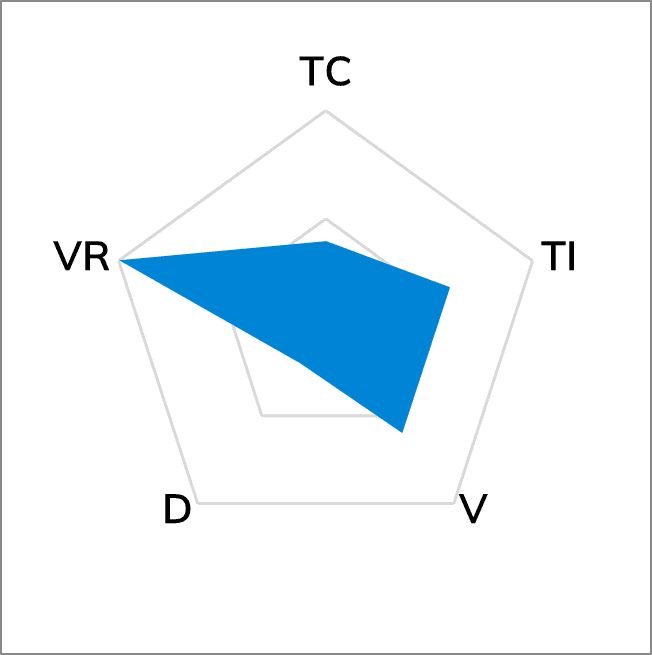 TG-N4000 Non-silicone Thermal Putty | 4 | 0.00956 | 0.474 | 350 | 2.6 | 1x10¹⁰ | Quote & Sample |
 TG-NSP25 Non-silicone Thermal Putty | 2.6 | 0.006214 | 0.327 | 5000 | 2.6 | 1x10¹⁴ | Quote & Sample |
 TG-N8000 Non-silicone Thermal Putty | 8 | 0.01912 | 0.689 | 430 | 3 | 1x10¹⁰ | Quote & Sample |
| Test Method | ASTM D5470 Modified | Brookfield | ASTM D792 | ASTM D257 | |||
Thermal putty helps transfer heat across uneven surfaces and variable gaps in compact electronic assemblies. It conforms to irregular component heights and reduces insulating air pockets between heat sources and cooling surfaces.
T-Global offers silicone and non-silicone thermal putty for automotive, telecommunications, industrial, consumer, and power and energy electronics. These materials support reliable gap filling in compact enclosures and assemblies exposed to mechanical movement. Engineers can select products based on thermal conductivity, thermal impedance, viscosity, electrical properties, material type, and application requirements.
The Role of Thermal Putty in Complex Assemblies
Warped PCBs, stacked components, and mixed-height component layouts can create variable gaps between heat sources and cooling surfaces. Thermal putty conforms to these surface irregularities and fills spaces that may otherwise contain insulating air.
Unlike thermal pads supplied in fixed sheet or pad formats, thermal putty can adapt to different component geometries during assembly. This makes it suitable for applications where gap dimensions, surface flatness, or component heights vary across the assembly.
Key Advantages of Thermal Putty
Thermal putty can provide thermal-management and processing advantages in assemblies where gap variation, uneven surfaces, or fixed-thickness materials create design challenges.
T-Global offers both silicone and non-silicone formulations with different thermal conductivity, thermal impedance, viscosity, density, and electrical characteristics.
High Conformability
T-Global’s thermal putty portfolio includes silicone-based grades such as TG4040, TG6060, and TG-A7000, together with non-silicone grades including TG-N4000, TG-NSP25, and TG-N8000.
These materials are designed to conform to uneven interfaces, fill variable gaps, reduce trapped air pockets, and increase contact between heat-generating components and surrounding cooling structures.
Flexible Gap Filling
Thermal putty can accommodate variations in component height and interface geometry. This allows the material to fill spaces that may be difficult to address with fixed-thickness thermal materials.
Silicone and Non-Silicone Options
Different electronic assemblies may require different material formulations. T-Global provides silicone thermal putty as well as non-silicone thermal putty, allowing engineers to compare materials according to thermal performance, viscosity, electrical properties, processing conditions, and application requirements.
Common Applications for Thermal Putty
Thermal putty can support heat transfer in electronic assemblies with variable gaps, uneven surfaces, compact enclosures, and components with different heights.
Automotive Electronics and EV Systems
Automotive electronics, control modules, power electronics, and battery management systems (BMS) can contain components with different heights and thermal loads. Thermal putty can fill variable component-to-housing gaps while supporting heat transfer across the assembly.
Consumer Electronics
Compact consumer electronics and computing hardware can benefit from thermal putty where component-height variation or limited internal space makes fixed-thickness thermal materials more difficult to apply.
Telecommunications and Networking Equipment
5G and telecommunications equipment can use thermal putty to support heat transfer between electronic components and nearby cooling structures in compact assemblies.
Industrial and Power Electronics
Power converters, power supplies, industrial controls, and other heat-generating electronic systems can use thermal putty to fill uneven interfaces and support a thermal path between components and heat-dissipation structures.
For related applications, explore T-Global’s energy thermal management solutions.
Key Factors in Selecting the Right Thermal Putty
Selecting the appropriate thermal putty requires balancing thermal performance, material behavior, electrical properties, formulation, component geometry, and overall assembly requirements.
Thermal Conductivity
Thermal conductivity, measured in W/m·K, describes the material’s ability to conduct heat through its bulk. T-Global’s currently listed thermal putty grades range from 2.6 W/m·K to 8.0 W/m·K.
Higher thermal conductivity does not automatically mean that a material is the best option for every design. Gap geometry, thermal impedance, viscosity, component structure, and the overall thermal path should also be considered.
Thermal Impedance
Thermal impedance reflects resistance to heat transfer through the applied interface under specified test conditions. It should be evaluated together with thermal conductivity and the geometry of the actual thermal path.
Viscosity
Viscosity affects how thermal putty flows and behaves during application. T-Global’s thermal putty portfolio includes grades with different viscosity values, allowing engineers to evaluate materials according to component geometry, gap dimensions, material placement, and manufacturing requirements.
Density
Density can influence material weight, material usage, and processing characteristics. It may be relevant in applications where total assembly mass or material quantity is an important design consideration.
Electrical Properties
Volume resistivity is one of the electrical properties specified for T-Global thermal putty grades. Engineers should evaluate electrical requirements according to the operating voltage, material geometry, interface thickness, and safety requirements of the final assembly.
T-Global Thermal Putty Options
T-Global provides multiple silicone and non-silicone thermal putty grades for different thermal performance and application requirements.
Silicone Thermal Putty
- TG4040. Silicone thermal putty with thermal conductivity of 3.2 W/m·K.
- TG6060. Silicone thermal putty with thermal conductivity of 6.3 W/m·K.
- TG-A7000. Silicone thermal putty with thermal conductivity of 7.0 W/m·K.
Non-Silicone Thermal Putty
- TG-N4000. Non-silicone thermal putty with thermal conductivity of 4.0 W/m·K.
- TG-NSP25. Non-silicone thermal putty with thermal conductivity of 2.6 W/m·K.
- TG-N8000. Non-silicone thermal putty with thermal conductivity of 8.0 W/m·K.
Frequently Asked Questions About Thermal Putty
What is thermal putty?
Thermal putty is a thermal interface material used to fill gaps and surface irregularities between heat-generating electronic components and cooling structures. It helps reduce insulating air gaps and supports a more continuous heat-transfer path.
What is thermal putty used for?
Thermal putty is used in electronic assemblies where variable gaps, uneven component heights, or complex surface geometries make fixed-thickness thermal materials difficult to use. Applications can include automotive electronics, telecommunications equipment, consumer electronics, industrial systems, energy systems, and power electronics.
What is the difference between thermal putty and a thermal pad?
A thermal pad is generally supplied in a fixed sheet or pad format, while thermal putty conforms to the geometry of the assembly during application. Thermal putty can therefore be useful where gap dimensions or component heights vary.
Does T-Global offer silicone and non-silicone thermal putty?
Yes. T-Global’s portfolio includes silicone thermal putty grades such as TG4040, TG6060, and TG-A7000, as well as non-silicone grades including TG-N4000, TG-NSP25, and TG-N8000.
Which T-Global thermal putty has the highest thermal conductivity?
Among the currently listed grades, TG-N8000 has the highest specified thermal conductivity at 8.0 W/m·K. TG-A7000 provides 7.0 W/m·K, while TG6060 provides 6.3 W/m·K.
What thermal conductivity range is available?
T-Global’s currently listed thermal putty grades range from 2.6 W/m·K to 8.0 W/m·K.
Why is viscosity important when selecting thermal putty?
Viscosity affects material flow and application behavior. The appropriate viscosity depends on component spacing, gap geometry, material placement, manufacturing requirements, and application conditions.
What factors should I consider when selecting thermal putty?
Engineers should consider thermal conductivity, thermal impedance, viscosity, density, electrical properties, silicone or non-silicone formulation, component geometry, gap dimensions, application method, and the overall thermal path of the assembly.
Can I request a thermal putty sample?
Yes. T-Global USA provides product recommendation and sample support for suitable applications. Request a quote or sample to discuss your thermal and material requirements.
Optimize Thermal Paths with Thermal Putty
Thermal putty provides a flexible approach to gap filling in electronic assemblies with uneven surfaces, variable component heights, and complex thermal interfaces.
T-Global USA offers silicone and non-silicone thermal putty with different thermal conductivity, thermal impedance, viscosity, density, and electrical characteristics. Request a quote or sample to evaluate a suitable grade for your application.