Curable Thermal Gel
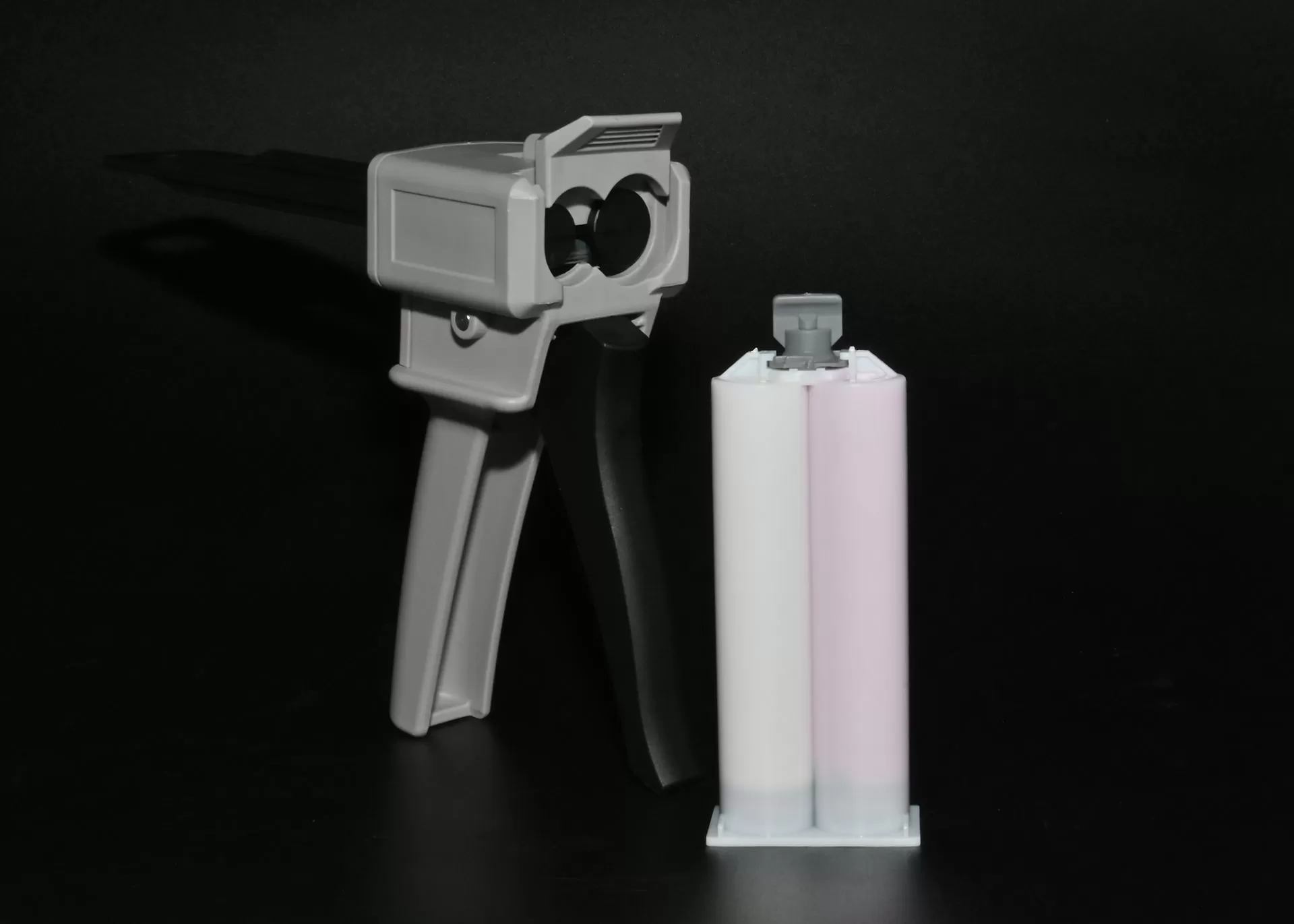
Curable Thermal Gel
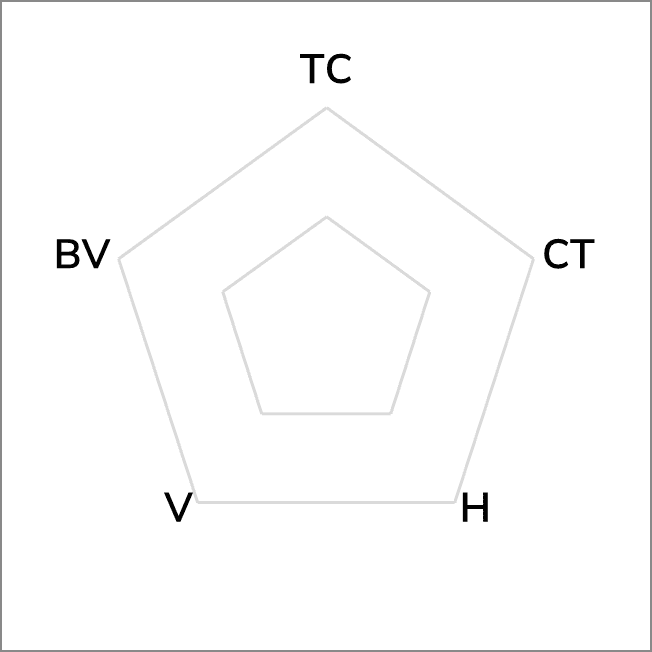
| Properties | Thermal Conductivity | Curing Time @25゚C | Hardness | Viscosity | Dielectric Breakdown Voltage | ||
|---|---|---|---|---|---|---|---|
| Unit | W/m•K | cal/cm·sec·°C | Hrs | Shore OO | Pa.s | KV/mm | |
 TG-ASD35AB Curable Thermal Gel | 3.5 | 0.008365 | 2-4 | 40 | @1.0rpm: A: 250 B: 250 | 7 | Quote & Sample |
 TG-ASD50AB Curable Thermal Gel | 5.0 | 0.011950 | 2-4 | 40 | @1.0rpm: A: 250 B: 250 | 5 | Quote & Sample |
 TG-ASD65AB Curable Thermal Gel | 6.5 | 0.015535 | 2-4 | 40 | @1.0rpm: A: 180 B: 180 | ≥3 | Quote & Sample |
| Test Method | ISO 22007-2 | ASTM D2240 | Brookfield | ASTM D149 | |||
Curable Thermal Gel for Electronic Thermal Management
Curable thermal gel is a dispensable thermal interface material designed to fill gaps between heat-generating components and cooling surfaces. Before curing, the material can conform to uneven surfaces and complex component geometries. After curing, it forms a soft and stable thermal interface that helps transfer heat while accommodating mechanical movement and vibration.
Compared with conventional solid thermal interface materials, curable thermal gel can be dispensed directly into irregular gaps and around components where fixed-thickness materials may be difficult to apply. This makes it suitable for automated assembly and applications with complex surface profiles.
T-Global’s curable thermal gels can cure at room temperature or with heat, providing flexibility for different manufacturing and assembly processes.
T-Global Curable Thermal Gel
T-Global USA offers multiple curable thermal gel formulations to support different thermal performance requirements.
- TG-ASD35AB:
Provides 3.5 W/m·K thermal conductivity, Shore OO 40 hardness, and a dielectric breakdown voltage of 7 kV/mm. - TG-ASD50AB:
Provides 5.0 W/m·K thermal conductivity, Shore OO 40 hardness, and a dielectric breakdown voltage of 5 kV/mm. - TG-ASD65AB:
Provides 6.5 W/m·K thermal conductivity with Shore OO 40 hardness for applications requiring higher thermal performance.
All three formulations have a curing time of approximately 2 to 4 hours at 25°C. Material selection should consider thermal conductivity, gap geometry, dielectric requirements, dispensing conditions, curing process, and mechanical requirements.
How Curable Thermal Gel Works
Electronic assemblies often contain uneven gaps between heat-generating components and cooling structures. Air trapped within these gaps has low thermal conductivity and can increase thermal resistance.
Curable thermal gel is dispensed into the interface in an uncured state, allowing the material to flow around surface irregularities and establish contact with both sides of the thermal path. Once cured, the gel remains soft while maintaining its position within the interface.
This combination of conformability, thermal conductivity, and low cured hardness makes curable thermal gel useful in applications where both thermal transfer and mechanical compliance are required.
Applications for Curable Thermal Gel
Curable thermal gels can be used in electronic systems that require gap filling, reliable heat transfer, and a compliant thermal interface.
Automotive Electronics and EV Systems
Automotive electronics are exposed to vibration, temperature cycling, and complex mechanical tolerances. Curable thermal gel can fill gaps around electronic components while providing a soft thermal interface after curing.
Typical applications may include battery systems, power electronics, control units, converters, and other temperature-sensitive electronic assemblies.
AI Servers and Data Center Equipment
High-power computing systems contain processors, memory, power components, and supporting electronics with varying component heights. Curable thermal gel can help create thermal paths between these components and heat sinks, cold plates, housings, or other cooling structures.
Power Electronics
Power modules, converters, inverters, and power supplies can generate concentrated heat during operation. Curable thermal gel provides a conformable interface that can improve thermal contact between these components and their cooling structures.
Telecom and Communication Equipment
Telecom, networking, and edge computing equipment often require thermal materials that can accommodate component tolerances while remaining stable after assembly. A curable gel can help fill irregular gaps and maintain thermal contact during operation.
Industrial and Consumer Electronics
Curable thermal gel can also be used in industrial controls, lighting equipment, consumer electronics, medical electronics, and other assemblies where component geometry makes conventional thermal pads difficult to apply.
Curable Thermal Gel vs. Thermal Putty
Curable thermal gel and thermal putty can both conform to irregular gaps, but their material behavior is different.
Curable thermal gel is dispensed in an uncured state and chemically cures after application, allowing the material to remain positioned within the assembly. Thermal putty does not cure and remains in a paste-like state during use.
The appropriate solution depends on assembly requirements, serviceability, gap geometry, dispensing method, mechanical movement, and long-term thermal performance.
Curable Thermal Gel vs. Potting Compound
Although both materials can be dispensed and cured, curable thermal gel is primarily selected to create a compliant thermal path between components and cooling structures. Potting compounds are generally used when broader encapsulation, mechanical protection, or environmental protection of electronic assemblies is required.
When selecting between the two, engineers should consider cured hardness, required coverage area, component stress, dielectric properties, thermal conductivity, and manufacturing process.
Thermal Simulation and Material Selection
Selecting the right curable thermal gel depends on thermal conductivity, gap thickness, component geometry, dielectric requirements, curing conditions, operating temperature, and assembly process.
T-Global USA provides
thermal simulation services
to help engineers evaluate heat flow, interface conditions, and potential thermal performance before selecting a final material.
Our engineering team can also help compare curable thermal gels with thermal pads, thermal putty, thermal grease, potting compounds, and other thermal interface materials based on application requirements.
Why Use Curable Thermal Gel?
Curable thermal gel combines the conformability of a dispensable material with the stability of a cured thermal interface.
It can accommodate irregular component geometries and dimensional tolerances before curing, then remain in place after curing while maintaining a soft interface. This makes it suitable for electronic assemblies that require thermal transfer, mechanical compliance, vibration resistance, and automated dispensing capability.
Request a quote or sample
to discuss your thermal conductivity, gap size, curing process, dielectric requirements, and application conditions with T-Global USA.
Frequently Asked Questions About Curable Thermal Gel
What is curable thermal gel?
Curable thermal gel is a dispensable thermal interface material that fills gaps between heat-generating components and cooling surfaces. After application, the material cures to form a soft and stable thermal interface that helps transfer heat while accommodating surface irregularities and mechanical movement.
How does curable thermal gel improve heat transfer?
Air gaps between electronic components and cooling surfaces increase thermal resistance. Curable thermal gel conforms to irregular surfaces before curing, helping replace trapped air with a thermally conductive material and creating a more effective thermal path.
Does T-Global curable thermal gel cure at room temperature?
Yes. T-Global curable thermal gels can cure at room temperature. TG-ASD35AB, TG-ASD50AB, and TG-ASD65AB have a typical curing time of approximately 2 to 4 hours at 25°C. Heat can also be used to accelerate curing depending on the material and manufacturing process.
What thermal conductivity options are available?
T-Global USA currently offers TG-ASD35AB at 3.5 W/m·K, TG-ASD50AB at 5.0 W/m·K, and TG-ASD65AB at 6.5 W/m·K. The appropriate material depends on thermal performance, dielectric requirements, dispensing conditions, and mechanical design.
What is the difference between curable thermal gel and thermal putty?
Curable thermal gel cures after dispensing and remains positioned within the assembly. Thermal putty does not cure and remains soft or paste-like during use. Both can fill irregular gaps, but the appropriate material depends on assembly, rework, mechanical, and thermal requirements.
What is the difference between curable thermal gel and a thermal pad?
A thermal pad is supplied as a pre-formed solid sheet with a defined thickness, while curable thermal gel is dispensed directly into the assembly. Curable gel can better accommodate complex geometries, variable component heights, and irregular gaps where a fixed-thickness thermal pad may be difficult to apply.
What is the difference between curable thermal gel and potting compound?
Curable thermal gel is primarily designed to provide a compliant thermal path between electronic components and cooling structures. Potting compounds are generally selected when the application requires broader encapsulation and mechanical or environmental protection. Material selection should consider thermal conductivity, cured hardness, coverage area, dielectric requirements, and assembly design.
Can curable thermal gel be used in automotive electronics?
Yes. Curable thermal gel is suitable for automotive and EV electronic systems where thermal transfer, vibration tolerance, dimensional variation, and mechanical compliance are important design considerations.
Can curable thermal gel be used with automated dispensing equipment?
Curable thermal gel is suitable for dispensing-based assembly processes. The required dispensing equipment and process parameters depend on material viscosity, package configuration, shot size, geometry, and production requirements.
How should I select a curable thermal gel?
Material selection should consider thermal conductivity, gap size, dielectric requirements, viscosity, curing time, cured hardness, operating temperature, component geometry, and manufacturing process. T-Global USA can assist with material selection and thermal evaluation based on specific application requirements.