Graphite
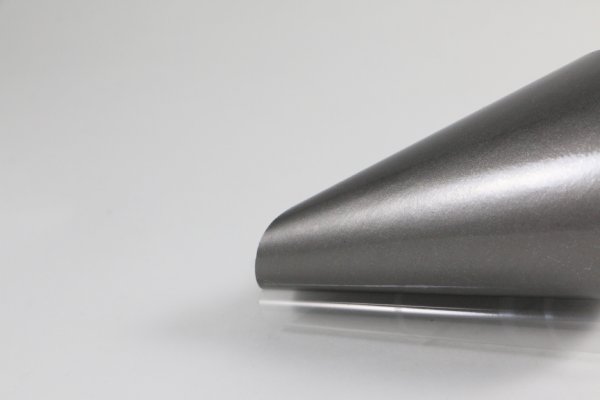
Graphite
Natural Graphite
| Properties | Thermal Conductivity (XY axis) | Thermal Conductivity (Z axis) | Thickness | Operating Temperature | Density | |||
|---|---|---|---|---|---|---|---|---|
| Unit | W/m•K | cal/cm·sec·°C | W/m•K | cal/cm·sec·°C | mm | °C | g/cm³ | |
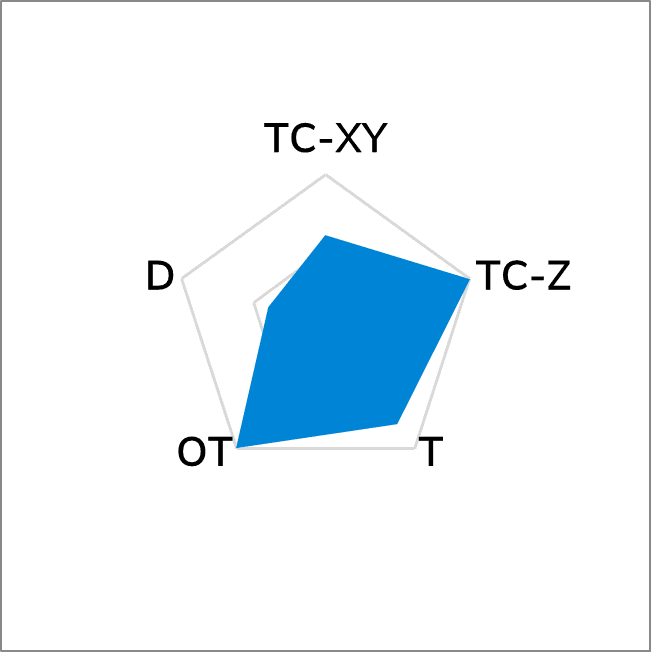 T62 Natural Graphite Sheet | 400 | 0.956 | 20 | 0.0478 | 0.13 | -40~+400 | 1.5 | Quote & Sample |
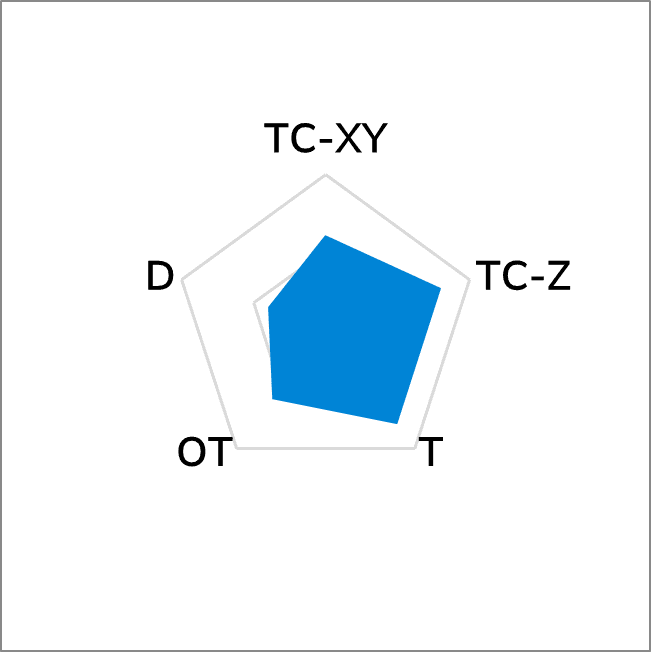 T62-1 Natural Graphite Sheet | 400 | 0.956 | 15 | 0.03585 | 0.16 | -30~+100 | 1.5~1.8 | Quote & Sample |
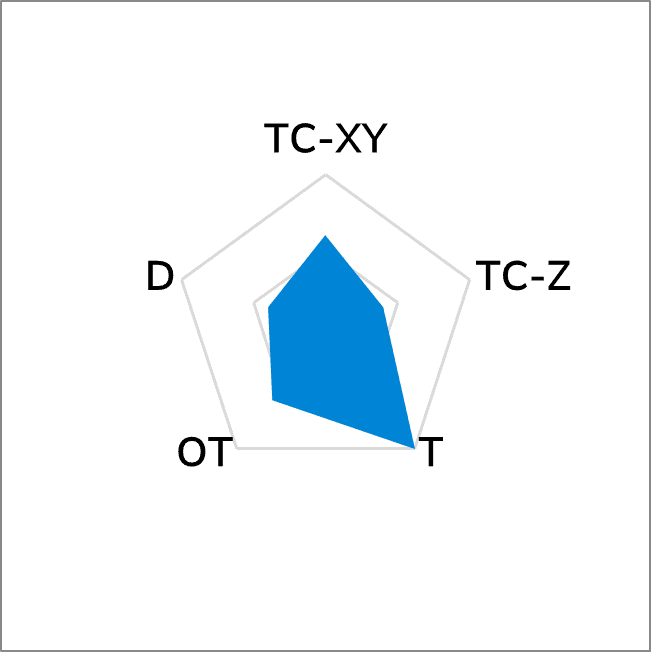 T62-2 Natural Graphite Sheet | 400 | 0.956 | 5 | 0.01195 | 0.2 | -30~+100 | 1.5~1.8 | Quote & Sample |
| Test Method | AC Calorimeter | Laser Flash | Micrometer | ASTM D792 | ||||
Artificial Graphite
| Properties | Thermal Conductivity (XY axis) | Thermal Conductivity (Z axis) | Thickness | Heat Resistance Temperature | Density | |||
|---|---|---|---|---|---|---|---|---|
| Unit | W/m•K | cal/cm·sec·°C | W/m•K | cal/cm·sec·°C | mm | °C | g/cm³ | |
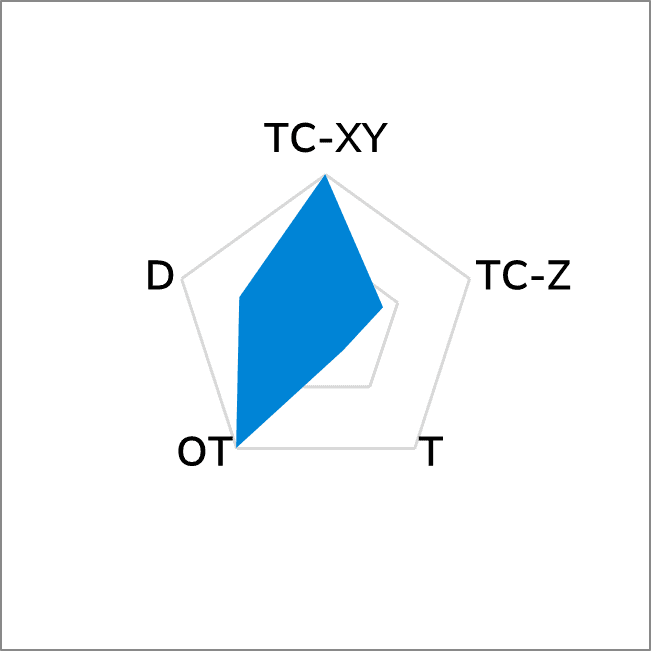 T68 Artificial Graphite Sheet | 1500 | 3.585 | 5 | 0.01195 | 0.025 | 400 | 2.1 | Quote & Sample |
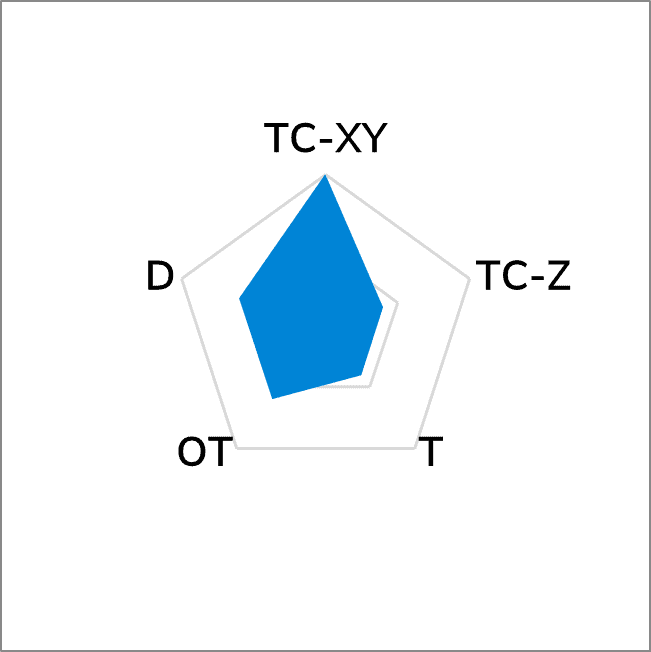 T68A Artificial Graphite Sheet | 1500 | 3.585 | 5 | 0.01195 | 0.035/0.055 | 100 | 2.1 | Quote & Sample |
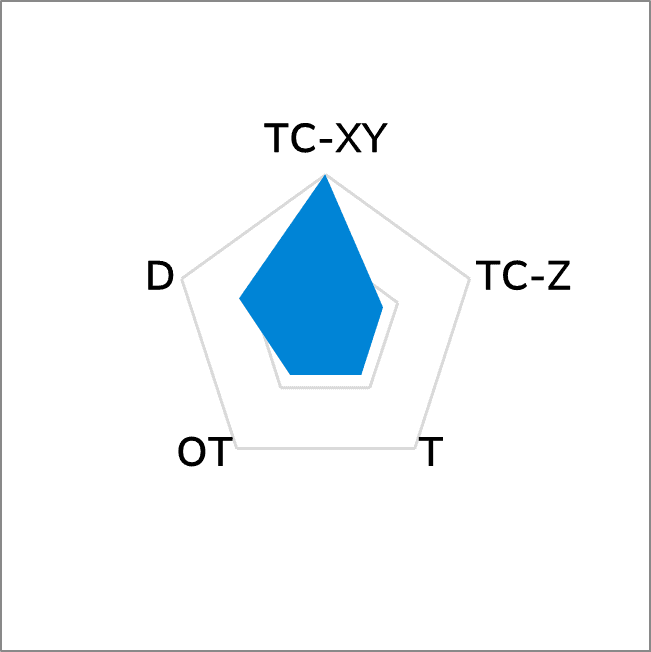 T68AP Artificial Graphite Sheet | 1500 | 3.585 | 5 | 0.01195 | 0.045/0.085 | 80~100 | 2.1 | Quote & Sample |
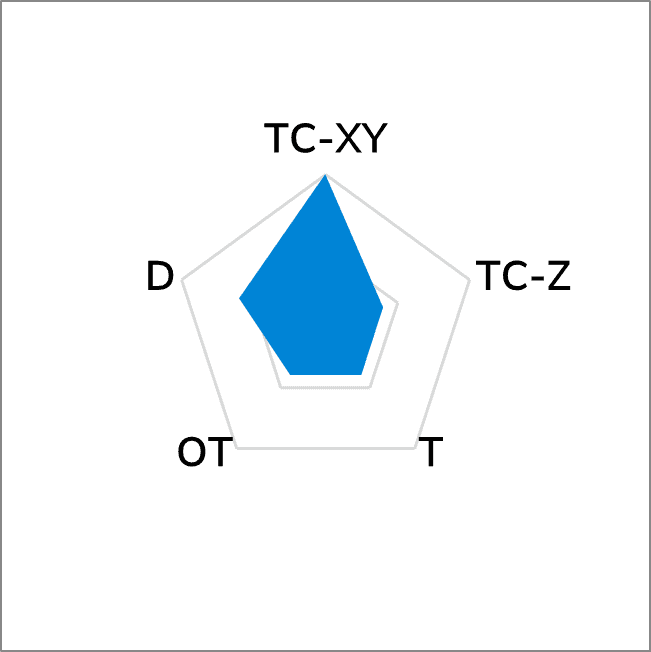 T68APF Artificial Graphite Sheet | 1500 | 3.585 | 5 | 0.01195 | 0.045/0.085 | 80~100 | 2.1 | Quote & Sample |
| Test Method | Angstrom Method | ASTM D5470-06 | ASTM D374 | TGA | Archimedes' Principle | |||
In modern thermal management, engineering teams face the challenge of rising component densities and shrinking spatial budgets. Graphite thermal sheets can address these constraints by spreading heat laterally across a thin, lightweight profile, helping reduce localized hot spots in compact electronic assemblies.
At T-Global, we specialize in advanced thermal management strategies that help manufacturers maintain hardware reliability. As a global thermal management specialist, we provide natural and synthetic graphite materials that can be tailored for demanding electronic applications.
Learn more about the properties of graphite, the various formats available, and how a graphite heat spreader can support thermal performance in automotive, electric vehicle, consumer electronics, aerospace, and medical applications.
Efficient Heat Dissipation with Graphite Thermal Sheets
The performance of a graphite thermal sheet stems from its unique crystalline structure. In the in-plane direction, graphite can spread heat more efficiently than many traditional thermal spreader materials. Graphite also offers a level of flexibility that rigid materials lack, allowing it to fit within space-constrained layouts and complex electronic assemblies.
Other features of graphite that contribute to its use in thermal management applications include:
- Low density.
Graphite thermal materials are significantly lighter than copper, making them suitable for weight-sensitive applications. - Ultra-thin profiles.
Selected graphite sheets are available in thicknesses as low as 0.025 mm, helping conserve valuable space inside compact devices. - Mechanical flexibility.
Thin graphite sheets can accommodate curved, uneven, or space-constrained assemblies. - High in-plane thermal conductivity.
Graphite sheets rapidly distribute heat along the X-Y plane, helping minimize localized hot spots and improve thermal uniformity in compact electronic devices.
Enhancing Thermally Conductive Graphite
Specific electrical, mechanical, and environmental requirements may call for additional enhancements to graphite thermal materials. T-Global offers several options to customize thermal solutions:
- Adhesive backing.
Insulating double-sided adhesive can be applied to support positioning and attachment during assembly. - Insulation laminates.
PET tape and insulating adhesive layers can provide electrical isolation between the conductive graphite layer and nearby components or chassis surfaces. - Protective films.
PET or film-backed constructions can help protect graphite surfaces during handling and assembly.
Graphite Thermal Sheet Formats
T-Global supplies graphite materials in several formats to accommodate different production scales and application requirements:
- Sheets.
This format is a practical choice for prototyping, engineering evaluation, or manual application during low-volume production. - Rolls.
Roll formats are suitable for higher-volume manufacturing processes and automated assembly applications. - Die-cut shapes.
T-Global can precision-cut graphite materials to match customer drawings and specific dimensional requirements.
T-Global’s graphite materials are engineered to provide consistent and repeatable performance across production volumes. Customers can provide technical drawings and application requirements so our engineering team can support material selection and custom converting needs.
Applications of Graphite Thermal Sheets
From automotive electronics to compact consumer devices, a wide range of applications demonstrate the versatility of graphite heat spreaders.
Automotive and Electric Vehicles (EVs)
In automotive electronics such as ECUs, ADAS modules, and EV battery systems, thermal reliability is a critical requirement for performance and safety. Graphite thermal sheets can spread heat laterally across compact assemblies, helping reduce localized hot spots and support more uniform thermal conditions.
In EV battery packs and related power electronics, this heat-spreading capability can help improve temperature distribution across heat-generating components and support more stable operation.
Consumer Electronics
Smartphones, tablets, displays, and LED assemblies are common use cases for graphite thermal sheet technology. The material can spread localized heat from processors, batteries, displays, and other heat-generating components across a broader surface area, helping support stable device performance.
Aerospace
Weight is a primary constraint in aerospace engineering. Graphite provides strong lateral heat-spreading capability with lower mass than many metal-based alternatives, making it a practical option for avionics, sensors, communications equipment, and satellite thermal management.
Medical Devices
Medical devices often require compact construction and consistent thermal behavior. Thin graphite thermal materials can be suitable for imaging equipment, wearables, diagnostic systems, and other electronics where space, weight, and thermal reliability are important design considerations.
Frequently Asked Questions About Graphite Thermal Sheets
What are graphite thermal sheets used for?
Graphite thermal sheets are used to spread heat laterally across electronic assemblies and help reduce localized hot spots. Common applications include electric vehicles, battery systems, consumer electronics, aerospace electronics, medical devices, and other compact high-power systems.
Why is graphite used for thermal management?
Graphite combines high in-plane thermal conductivity with a lightweight, thin, and flexible structure. These properties make it suitable for applications where space, weight, and efficient heat spreading are important design considerations.
What is in-plane thermal conductivity?
In-plane thermal conductivity describes how efficiently heat moves along the surface of a material in the X-Y direction. Graphite is highly effective at lateral heat spreading, which helps distribute concentrated heat across a larger surface area.
How thin can graphite thermal sheets be?
Selected T-Global graphite materials are available in ultra-thin profiles, including thicknesses as low as approximately 0.025 mm. Available thickness depends on the specific material grade and construction.
Can graphite thermal sheets be customized?
Yes. T-Global can provide graphite materials in sheets, rolls, and precision die-cut shapes. Adhesive backing, insulating laminates, and protective films can also be added depending on the application requirements.
Are graphite thermal sheets electrically conductive?
Graphite is electrically conductive. When electrical isolation is required, insulating films, PET layers, or adhesive constructions can be incorporated into the thermal solution to help separate the graphite layer from nearby electronic components or chassis surfaces.
What industries use graphite heat spreaders?
Graphite heat spreaders are used across automotive electronics, EV systems, consumer electronics, aerospace equipment, medical devices, power electronics, and other compact systems that require efficient lateral heat spreading.
Graphite Thermal Sheets from T-Global USA
A graphite thermal sheet offers a combination of low weight, thin construction, flexibility, and high lateral thermal conductivity that is difficult to achieve with many conventional heat-spreading materials. For engineers designing space-constrained electronics, T-Global USA’s graphite solutions provide a practical option for thermal testing and product development.
Our graphite product line includes standard and custom formats. Request a sample to evaluate graphite thermal materials against your application requirements.