Potting Compound
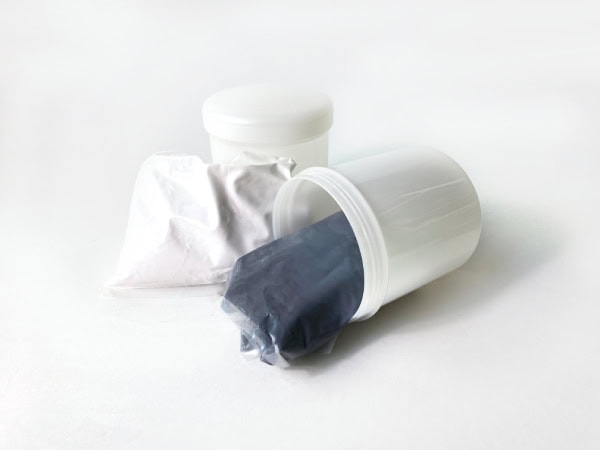
Potting Compound
Silicone Type
| Properties | Thermal Conductivity | Curing Time @25゚C | Hardness | Viscosity | Dielectric Breakdown Voltage | ||
|---|---|---|---|---|---|---|---|
| Unit | W/m•K | cal/cm·sec·°C | Hrs | Shore OO | Pa.s | KV/mm | |
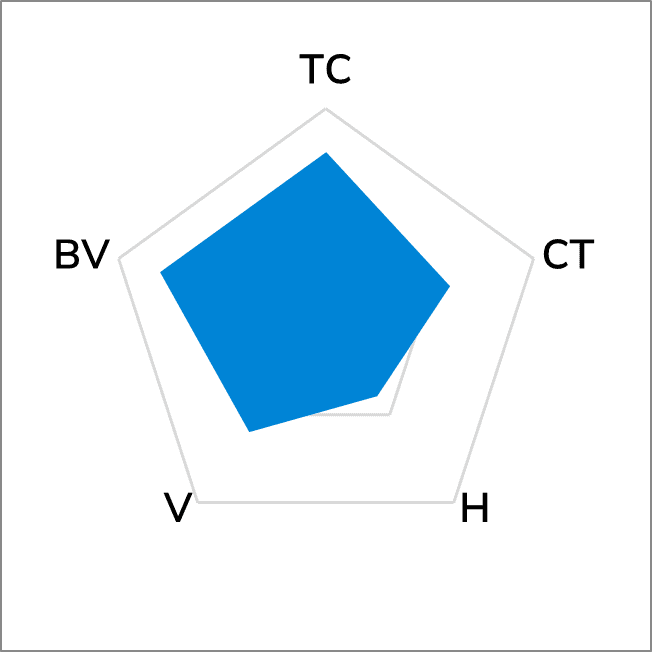 TG-A09AB Potting Compound | 2.8 | 0.006692 | 6 | 90 | 10~50 | 11 | Quote & Sample |
| Test Method | ASTM D5470 Modified | ASTM D2240 | Brookfield | ASTM D149 | |||
Epoxy Type
| Properties | Thermal Conductivity | Curing Time @25゚C | Hardness | Viscosity | Dielectric Breakdown Voltage | ||
|---|---|---|---|---|---|---|---|
| Unit | W/m•K | cal/cm·sec·°C | Hrs | Shore A | Pa.s | KV/mm | |
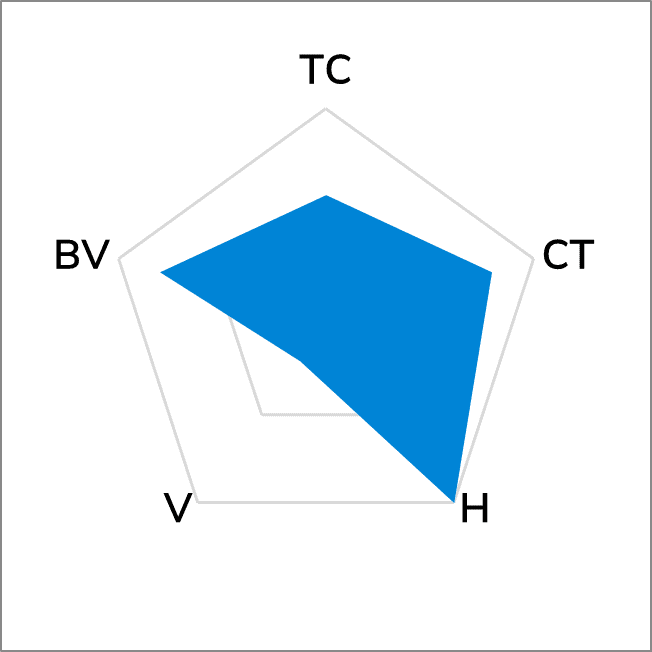 TG-A96AB Potting Compound | 2.6 | 0.006214 | 12 | 68 | 1.8~2.5 | 11 | Quote & Sample |
| Test Method | ASTM D5470 Modified | ASTM D2240 | Brookfield | ASTM D149 | |||
T-Global thermally conductive potting compounds provide effective heat dissipation, electrical insulation, and reliable protection for electronic components. Available in silicone and epoxy formulations, these electronic encapsulation materials help protect assemblies from environmental and mechanical stress while supporting thermal management in demanding applications. T-Global potting compounds are suitable for automotive, 5G, energy storage, power electronics, lighting, industrial equipment, and other electronic systems. Explore our thermal interface materials for additional thermal management solutions.
T-Global USA provides thermal management solutions for automotive, telecommunications, energy storage, industrial, computing, aerospace, and other demanding electronic applications. Our potting compound portfolio includes silicone and epoxy options, allowing engineers to select materials based on thermal conductivity, curing requirements, hardness, viscosity, dielectric performance, and manufacturing processes.
How Potting Compounds Support Thermal Management
Electronic components generate heat during operation. When heat is trapped within an enclosure or around densely packed components, operating temperatures can increase and affect performance and long-term reliability.
Thermally conductive potting compounds fill gaps around components and create a continuous thermal path through the encapsulated assembly. At the same time, the cured material can provide electrical insulation and mechanical protection for sensitive electronic components.
Material selection depends on thermal conductivity, viscosity, curing conditions, dielectric requirements, hardness, component geometry, dispensing process, operating temperature, and system-level thermal design. Lower-viscosity materials can flow more easily around complex components, while material hardness and curing behavior can influence mechanical support and manufacturing requirements.
Types of Potting Compounds
T-Global offers silicone and epoxy potting compounds with different thermal, mechanical, and processing characteristics.
TG-A09AB Silicone Potting Compound
TG-A09AB is a thermally conductive silicone potting compound designed for electronic component encapsulation. It provides heat dissipation together with electrical insulation and can be cured at room temperature or accelerated with heating.
- Thermal Conductivity. TG-A09AB provides thermal conductivity of 2.8 W/m·K.
- Dielectric Breakdown Voltage. The specified dielectric breakdown voltage is ≥11 kV/mm.
- Viscosity. Viscosity is specified at 10–50 Pa·s.
- Hardness. The cured material has a specified hardness of 90 Shore OO.
- Room-Temperature Curing. The specified curing time at 25°C is approximately 6 hours.
- Mixing Ratio. Components A and B use a 1:1 mixing ratio.
The silicone formulation is suitable for applications where thermal management, electrical protection, and flexibility are required around electronic components. Its processing characteristics allow the material to flow around components before curing and forming a protective encapsulation layer.
TG-A96AB Epoxy Potting Compound
TG-A96AB is an epoxy potting compound designed for electronic encapsulation applications requiring thermal conductivity, electrical insulation, and a harder cured structure.
- Thermal Conductivity. TG-A96AB provides thermal conductivity of 2.6 W/m·K.
- Dielectric Breakdown Voltage. The specified dielectric breakdown voltage is 11 kV/mm.
- Viscosity. Viscosity is specified at 1.8–2.5 Pa·s.
- Hardness. The cured material has a specified hardness of 68 Shore A.
- Room-Temperature Curing. The specified curing time at 25°C is approximately 12 hours.
Compared with the silicone formulation, TG-A96AB has a lower specified viscosity and a higher hardness scale after curing. These characteristics can be considered when evaluating dispensing requirements, component geometry, and the mechanical requirements of the finished assembly.
Choosing Between Silicone and Epoxy Potting Compounds
Selecting the appropriate potting compound requires balancing thermal performance with electrical, mechanical, and manufacturing requirements.
- Silicone Potting Compound. TG-A09AB provides 2.8 W/m·K thermal conductivity, 90 Shore OO hardness, and 10–50 Pa·s viscosity. Silicone formulations can be considered where flexibility and thermal management are important.
- Epoxy Potting Compound. TG-A96AB provides 2.6 W/m·K thermal conductivity, 68 Shore A hardness, and 1.8–2.5 Pa·s viscosity. Its lower viscosity and harder cured structure can support applications with different dispensing and mechanical requirements.
The correct material should be selected based on the complete assembly rather than thermal conductivity alone. Component spacing, gap size, dispensing method, curing process, electrical isolation, mechanical loading, operating temperature, and heat-transfer path can all affect final system performance.
Applications of Potting Compounds
T-Global potting compounds can be used in automotive electronics, energy storage systems, telecommunications equipment, power electronics, industrial systems, lighting equipment, computing hardware, aerospace electronics, and other applications requiring electronic encapsulation and thermal management.
Automotive and EV Electronics
Automotive electronic systems contain power converters, charging electronics, battery-management systems, sensors, control modules, and other components exposed to thermal and mechanical stresses. Potting compounds can encapsulate electronic assemblies while providing thermal transfer and electrical insulation. Learn more about T-Global’s E-Mobility thermal solutions for automotive and EV applications.
Energy Storage Systems
Battery packs and energy-storage systems contain monitoring electronics, power-conversion components, control boards, and other heat-generating devices. Thermally conductive potting materials can help transfer heat while protecting sensitive electronics within the assembly. Explore T-Global’s energy thermal management solutions for additional applications.
Power Electronics
Power supplies, converters, inverters, transformers, and power-control electronics can generate concentrated heat during operation. Potting compounds can fill air gaps around components and create a more continuous thermal path through the encapsulated assembly.
5G and Telecommunications Equipment
Base stations, networking hardware, communication modules, and RF electronics combine high component density with continuous operating loads. Potting compounds can support thermal management while protecting electronic assemblies from environmental exposure.
Industrial Electronics
Industrial controls, power supplies, automation equipment, robotics, sensors, and motor-control systems may operate continuously under demanding environmental and thermal conditions. Encapsulation can help protect internal electronics while providing a thermally conductive path away from heat-generating components.
Lighting and Electronic Assemblies
LED drivers, lighting controls, power modules, and other electronic assemblies can benefit from thermally conductive encapsulation where heat dissipation, electrical insulation, and component protection are required within a compact enclosure.
Aerospace and High-Reliability Electronics
Aerospace and other high-reliability electronic systems may require materials that support thermal management together with electrical and mechanical protection. Potting compound selection should be evaluated against the operating environment and reliability requirements of the final system.
Thermal Simulation Support and Material Selection
T-Global’s simulation team can model heat flow before physical prototypes are finalized. Thermal simulation can be used to evaluate temperature distribution, thermal resistance paths, component geometry, enclosure conditions, and system-level cooling performance.
These results can help engineers evaluate whether silicone or epoxy potting compounds are suitable for the thermal requirements of an application rather than selecting a material based on thermal conductivity alone. T-Global also provides thermal and reliability testing to support material and design validation.
Frequently Asked Questions About Potting Compounds
What is a potting compound?
A potting compound is an encapsulation material poured around electronic components and assemblies before curing. It can provide thermal conductivity, electrical insulation, mechanical support, and environmental protection depending on the material formulation.
What are thermally conductive potting compounds used for?
Thermally conductive potting compounds are used as electronics potting materials to encapsulate electronic components while creating a thermal path away from heat-generating devices. They are commonly evaluated for power electronics, automotive electronics, battery systems, telecommunications equipment, industrial electronics, and other electronic assemblies.
What is the difference between silicone and epoxy potting compounds?
Silicone and epoxy potting compounds differ in curing characteristics, hardness, viscosity, mechanical behavior, and other material properties. TG-A09AB silicone provides thermal conductivity of 2.8 W/m·K and hardness of 90 Shore OO, while TG-A96AB epoxy provides thermal conductivity of 2.6 W/m·K and hardness of 68 Shore A.
Which T-Global potting compound has the highest thermal conductivity?
TG-A09AB silicone potting compound has the higher specified thermal conductivity of the two listed options at 2.8 W/m·K. TG-A96AB epoxy provides thermal conductivity of 2.6 W/m·K.
How long does potting compound take to cure?
Curing time depends on the material and curing temperature. TG-A09AB has a specified curing time of approximately 6 hours at 25°C, while TG-A96AB has a specified curing time of approximately 12 hours at 25°C. TG-A09AB can also be cured more rapidly at elevated temperatures according to its processing specifications.
Why is viscosity important when selecting a potting compound?
Viscosity affects how easily the uncured material flows around components and into narrow spaces. Lower-viscosity materials may flow more readily through complex assemblies, while higher-viscosity formulations may behave differently during dispensing and encapsulation. Final selection should consider component geometry and the manufacturing process.
Are potting compounds electrically insulating?
T-Global’s TG-A09AB and TG-A96AB potting compounds provide specified dielectric breakdown performance and are designed for electrically insulating electronic encapsulation applications. Required dielectric performance should still be verified against the voltage, geometry, material thickness, and safety requirements of the final system.
Can potting compounds improve heat dissipation?
Yes. Thermally conductive potting compounds can replace insulating air gaps around components with a material that provides a more continuous heat-transfer path. Overall thermal performance still depends on component geometry, enclosure design, interface resistance, heat sinks, airflow, and other system-level factors.
Can potting compounds be used in automotive and EV applications?
Yes. Potting compounds can be evaluated for automotive electronics, battery-management systems, charging electronics, converters, control modules, and other EV applications where electronic protection, electrical insulation, and thermal management are required.
How do I choose the right potting compound?
Material selection should consider thermal conductivity, viscosity, hardness, curing conditions, dielectric performance, component spacing, dispensing process, operating environment, and mechanical requirements. T-Global can support material selection through engineering consultation, simulation, and validation testing.
Can I request a potting compound sample?
Yes. T-Global USA can provide product recommendations and sample support for suitable applications. Request a quote or sample to discuss your thermal, electrical, processing, and application requirements.
Contact T-Global for Potting Compounds
T-Global provides silicone and epoxy potting compounds for electronic encapsulation applications requiring thermal management, electrical insulation, and component protection. TG-A09AB silicone provides thermal conductivity of 2.8 W/m·K, while TG-A96AB epoxy provides thermal conductivity of 2.6 W/m·K.
Our engineering team can help evaluate component geometry, thermal paths, curing requirements, viscosity, dielectric performance, operating conditions, and manufacturing requirements to identify a suitable potting compound for your application.
Request a quote or sample to discuss your potting compound requirements.