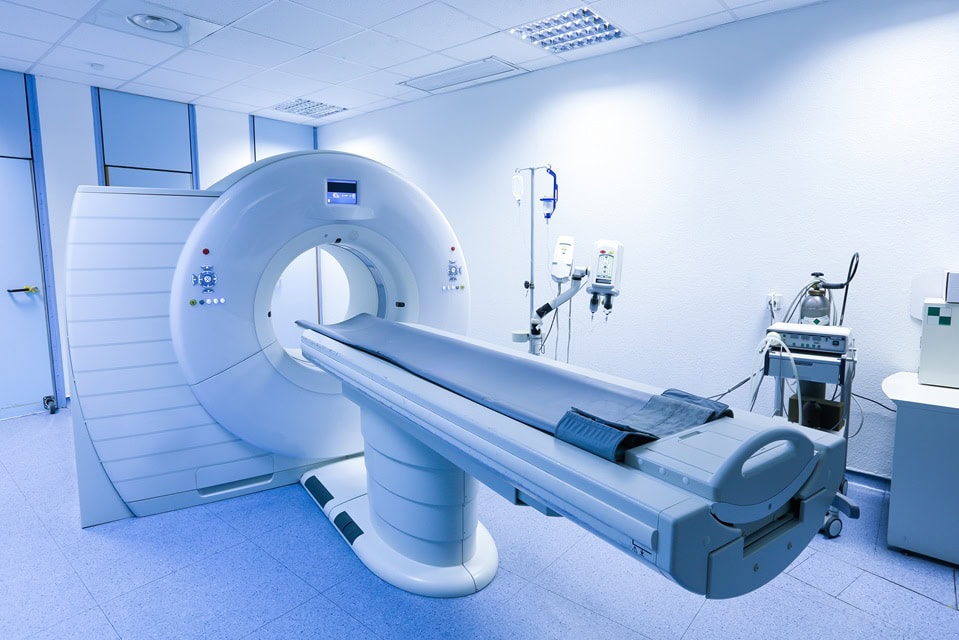
With diagnostic imaging, MRI and CT scanners rely on tightly controlled environments where even minor temperature fluctuations can affect performance. Heat is a byproduct of high-powered electronics, and if it is not properly managed, it can affect signal clarity, contribute to image-quality variation, and shorten equipment lifespan.
Advanced thermal management materials, such as high-conductivity thermal pads, help to regulate temperatures across sensitive components, enabling systems to operate within optimal ranges. For healthcare providers and equipment manufacturers, this type of approach can support consistent image quality, stable system performance, and fewer heat-related disruptions in clinical workflows. Below, learn more about using thermal management to support signal integrity in diagnostic equipment.
Maintaining Signal Integrity Through Thermal Stabilization
Diagnostic imaging equipment operates on precise signals. When heat builds up inside MRI and CT electronics, it can contribute to thermal drift, noise, or calibration instability in sensitive circuits. Thermal management involves using specific types of materials to manage heat and support optimal signal integrity.
How Passive Thermal Management Contributes to Image Precision
Stable thermal conditions help maintain the accuracy of imaging data. Fluctuating temperatures can shift calibration points, which can lead to inconsistencies in image quality.
Thermal interface materials help transfer and spread heat, reducing localized hotspots that could otherwise contribute to image-quality variation or electronic instability. Silicone-free thermal putties, conductive pads, and other thermal management materials are several types of materials that can be used to provide improved temperature control in diagnostic equipment.
Protecting Sensitive Electronics from Heat-Induced Fluctuations
MRI and CT scanners contain densely packed electronic components that are typically more sensitive to temperature changes. Excess heat can cause components to drift out of specification or degrade over time. High-performance thermal pads provide a conductive interface, helping transfer heat away from critical areas and maintain more consistent operating conditions. This helps preserve both short-term accuracy and supports long-term system reliability.
Electrical Isolation vs. Thermal Conductivity
Thermal management in medical imaging comes with a unique challenge: materials must transfer heat efficiently while also providing electrical insulation.
Managing High-Voltage Heat Without Compromising Safety
MRI and CT systems can operate with significant electrical loads. Thermal materials used for these applications need to manage these electrical loads safely while still enabling effective heat transfer. Non-silicone thermal pads can be useful where silicone oil migration, volatilization, or contamination is a concern; product-specific grades may also provide electrical insulation and low thermal impedance.
Material Innovations for Dielectric Strength and Heat Transfer
Advances in material science have made it possible to balance dielectric strength and heat transfer requirements. Modern thermal interface materials, including electrically insulating thermal pads, non-silicone materials, and ceramic heat spreaders, can help balance heat transfer with dielectric protection where required. For manufacturers and healthcare providers, this can increase uptime and extend service life in diagnostic equipment.
Regulatory Reliability: Compliance Standards in the Clinical Space
Medical devices are held to rigorous standards, and imaging systems must provide consistent quality and reliability under a wide range of operating conditions, including extended use. Thermal interface materials contribute to compliance by supporting stable operation and reducing the likelihood of overheating-related failures.
Materials used in MRI and CT systems must meet strict requirements for safety, durability, and chemical stability. Non-silicone options can help address concerns around silicone oil migration, volatilization, and contamination, making them particularly useful for sensitive electronics, optical components, and other contamination-sensitive environments.
Contact T-Global USA To Learn More
Thermal management is fundamental to diagnostic imaging performance, influencing everything from signal integrity to equipment longevity and regulatory compliance. As MRI and CT systems continue to evolve, the demand for advanced thermal solutions will only increase.
T-Global USA works with medical equipment manufacturers to identify high-performance thermal interface materials for these types of thermal and reliability challenges. Whether selected for high conductivity, electrical isolation, or long-term reliability, the right thermal management strategy can make a measurable difference.
If you are evaluating thermal solutions for diagnostic equipment, contact us to explore your options or to request a sample.
Frequently Asked Questions
Why does heat management matter for MRI and CT scanner electronics?
MRI and CT systems rely on precise, stable signals to produce accurate images. When heat builds up inside the electronics, it can contribute to thermal drift, circuit noise, and calibration instability, which may affect image quality and system reliability over time.
What types of thermal materials are used in diagnostic imaging equipment?
Diagnostic imaging systems commonly use thermal interface materials such as high-conductivity thermal pads, silicone-free thermal putties, and other conductive materials. These help transfer and spread heat away from sensitive components to support more consistent operating temperatures.
Why are non-silicone thermal pads preferred in some medical imaging applications?
In applications where silicone oil migration, volatilization, or contamination could compromise sensitive electronics or optical components, non-silicone thermal pads are often selected. They can provide effective heat transfer while reducing contamination-related risks.
How do thermal materials balance heat transfer with electrical insulation in high-voltage systems?
MRI and CT systems can operate with significant electrical loads, so thermal materials used in these systems need to manage heat effectively while maintaining adequate dielectric strength. Materials such as electrically insulating thermal pads and ceramic heat spreaders are designed to help balance these two requirements.
What role does thermal management play in regulatory compliance for medical devices?
Medical devices are held to strict standards for safety, durability, and chemical stability. Thermal interface materials that support stable operation and reduce the risk of overheating-related failures can contribute to a device’s ability to meet these compliance requirements.