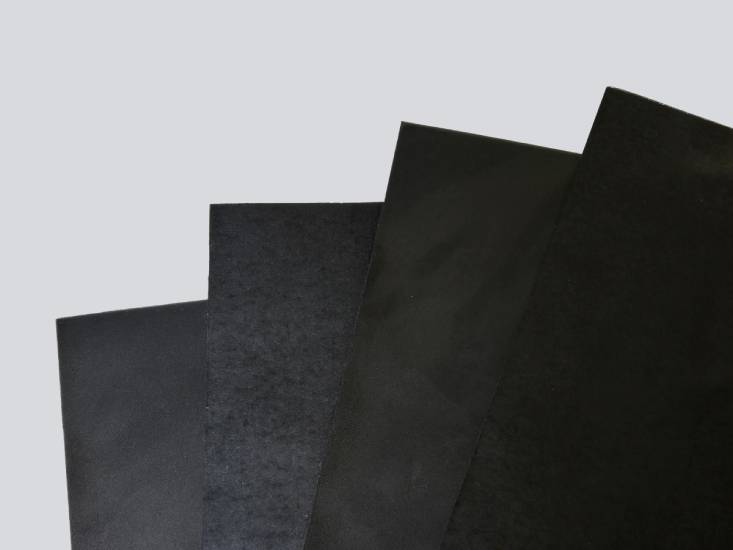
From electric vehicles and smartphones to 5G towers, carbon-based materials support many fast-growing technologies. Graphite, graphene, and synthetic graphite stand out for their conductivity, strength, and versatility.
Graphene is a single layer of carbon atoms. Graphite is a natural mineral made from many layers of graphene. Synthetic graphite is an artificial material made by heating carbon-rich materials at high temperatures.
All three materials conduct heat and electricity well. They support many uses in electronics, batteries, and communications. In this article, we will explain how they differ and where manufacturers use them.
Graphene vs. Graphite vs. Synthetic Graphite: Key Differences and Properties
These three materials are all forms of carbon. However, each one has different properties and uses.
Graphene
Graphene is a single layer of carbon atoms arranged in a honeycomb pattern. It is also the basic layer that forms graphite.
Graphene is extremely strong. It is more than 300 times stronger than steel. It also conducts electricity very efficiently. Its thin and flexible structure makes it useful in compact electronics, sensors, and energy devices.
Graphite
Graphite is a natural form of carbon. It occurs in metamorphic rock formations across Asia, South America, and North America.
Graphite contains many thin layers of carbon atoms. Each layer is only one atom thick. The bonds inside each layer are very strong, but the layers bond weakly to each other. Because of this structure, the layers can slide over one another.
This gives graphite its lubricating properties and flexibility. Graphite also conducts heat and electricity well. These properties make it useful for CPU and GPU heat spreaders, LEDs, battery packs, and thermal management systems.
Synthetic Graphite
Unlike natural graphite, manufacturers make synthetic graphite from carbon-rich materials such as petroleum coke. High heat rearranges the carbon atoms into a crystalline structure.
Synthetic graphite works much like natural graphite. However, manufacturers can control its purity, shape, and performance more closely.
Synthetic graphite conducts heat and electricity well. It can also be engineered for specific applications, including high-performance batteries, aerospace parts, and precision electronic devices.
Here’s a quick comparison:
| Property | Graphene | Natural Graphite | Synthetic Graphite |
|---|---|---|---|
| Structure | Single layer of carbon atoms | Multiple layers of carbon atoms | Engineered layers from carbon precursors |
| Strength | > 300x stronger than steel | Malleable | Strong, tunable |
| Electrical Conductivity | Extremely high | High | High |
| Thermal Conductivity | 1500-1800 | 400 | 1500 |
| Flexibility | Thin, flexible | Thin, flexible | Can be engineered for flexibility or rigidity |
| Typical Applications | Compact electronics, energy devices | Heat spreaders (CPU/GPU), LEDs, batteries | High-performance batteries, aerospace, precision electronics |
Real-World Innovative Applications
These materials support many industries. Here are some common applications.
Thermal Management with Graphene and Graphite
Graphene and graphite sheets work well as Thermal Interface Materials (TIMs). TIMs transfer heat away from batteries and electronic components.
These materials help reduce high temperatures. They also help create a cooler and more stable operating environment. This can lower the risk of overheating and failure.
TIMs move heat from the source to a heat sink or another cooling system. Graphene and graphite sheets are soft and flexible. Manufacturers can use them as sheets or die-cut them into custom shapes.
Graphite and synthetic graphite can also provide electromagnetic interference (EMI) shielding. This helps protect sensitive electronics from signal interference.
Common applications include EV electronics, batteries, computers, servers, mobile phones, telecom devices, power banks, heat sinks, and other heat-generating products.
Graphite and Synthetic Graphite in Energy Storage
In lithium-ion batteries, graphite works as an energy-dense anode. It stores lithium ions between its layers.
Graphite also conducts electricity well. This helps lithium ions move in and out during charging and discharging.
Graphite is relatively affordable, so battery manufacturers use it widely. It supports rechargeable batteries in EVs and electronics. In fact, graphite can make up to 30% of an EV battery’s weight.
Manufacturers can also recycle graphite and reuse it for ion storage. In the past, recycling programs often focused more on metals such as lithium and cobalt. Graphite received less attention because of its lower market value.
That is starting to change. Demand for cleaner energy continues to grow. As a result, graphite has become more important for battery production and recycling.
Graphene in Next-Gen Communications
Graphene can improve wireless technology and signal transmission.
For example, researchers at the University of Ottawa are studying graphene for terahertz signal processing. This technology could support ultra-fast wireless communication.
The researchers stacked graphene layers and adjusted their electrical properties. This helped them boost weak signals and reduce signal loss and instability.
This innovation could lead to communication systems that are much faster than current wireless standards. It may also support smart cities, IoT devices, and real-time data sharing.
Learn More from T-Global
At T-Global USA, we specialize in thermal management solutions and materials innovation. Our team helps companies choose the right materials for their applications.
We support customers in electronics, automotive, telecommunications, and other industries. We can help you select graphite, graphene, or synthetic graphite products for your project.
We can also support your team at any stage of development, including the early design phase.
Please explore our products to see how our materials support different industry applications.
Contact us to request a quote or sample.